Our Blog
Below you'll find several articles to keep you up to date on news and trends.
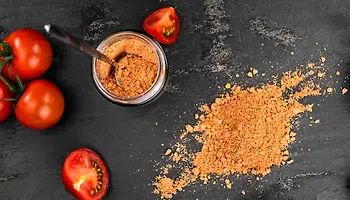
Reducing Sodium Without Losing Flavor: The Role of Dried Vegetables
Reducing sodium remains a priority for the food industry, but salt does more than add flavor—it enhances taste balance and masks bitterness. Cutting sodium requires new strategies to maintain flavor while meeting lower targets.
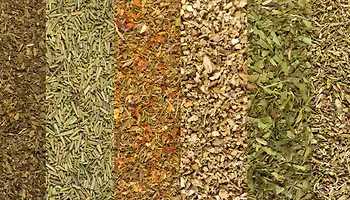
Beyond Moisture Content: Building Shelf Stability
Manufacturers typically evaluate dried produce using measurable specs like moisture, particle size, and color, but these metrics don’t fully predict real-world performance. Processing methods ultimately determine how stable and consistent an ingredient will be over time and in finished applications.

Pet Food Trends for 2026: Function, Familiarity, and Flexibility
Pet food expectations now mirror human food trends, with owners prioritizing ingredient quality, functional benefits, and transparency over price alone. As manufacturers manage cost pressures, dried vegetables, fruits, and herbs are playing a growing role in 2026 formulations—delivering nutritional value while supporting clean labels and practical production needs.

Food Industry Trends Shaping 2026
The food industry is heading into 2026 with product development guided by different priorities than in recent years. Instead of emphasizing a single attribute like protein content or one specific functional benefit, manufacturers are addressing multiple factors that influence purchasing decisions.

Ingredient Traceability: How Dried Produce Supports Accountable Supply Chains
As consumers demand more transparency in how food is sourced and made, assumed trust has given way to documented accountability. Traceable dried ingredients help manufacturers maintain clarity from farm to finished product.
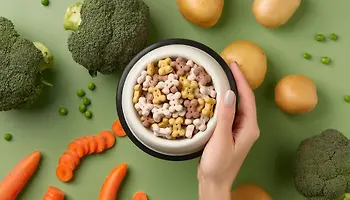
Dried Ingredients Are Spicing Up Pet Food
Pet owners typically treat their pets like members of the family, with unique personalities, quirks, and preferences. This shift has prompted pet food manufacturers to incorporate natural ingredients such as dried herbs and spices, which improve taste and aroma while also serving practical purposes related to preservation and functionality.

Dried Vegetables and Herbs in Nutraceutical Products
Nutraceuticals use dried vegetables and herbs to provide concentrated plant-based nutrition in convenient, shelf-stable formats like powders, bars, and beverages. These ingredients retain key nutrients, blend easily, and support consistent potency and functionality in functional foods and supplements.

Emergency & Outdoor Food Systems: The Role of Dried Fruits and Vegetables
Dehydrated fruits and vegetables provide lightweight, shelf-stable nutrition for emergency kits, backpacking meals, military rations, and convenience foods, preserving flavor and most nutrients while extending shelf life. They simplify production for manufacturers by ensuring consistency and reducing spoilage.
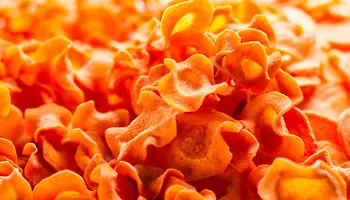
Fresh vs. Frozen vs. Dried: Choosing Ingredient Formats for Food Manufacturing
Food manufacturers work with ingredients in three main formats: fresh, frozen, and dried. Each format has different characteristics that affect how it performs in production and how long the final product lasts. The format that makes sense depends on what kind of product is being made and what the manufacturer needs to achieve.

Trending Fall Flavors for 2025
Pumpkin spice remains the defining flavor of fall, but food manufacturers are expanding their fall lineups with flavors that capture the season in different ways. Sweet potato, apple cider, butternut squash, and spice blends are appearing in more products as brands look for ways to offer more variety.